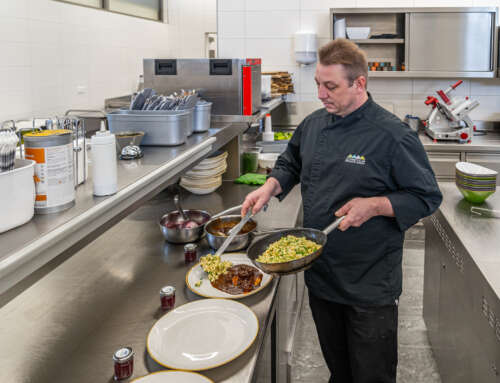




Jenneralm chef Josef Meneder attaches great importance to quality from the region
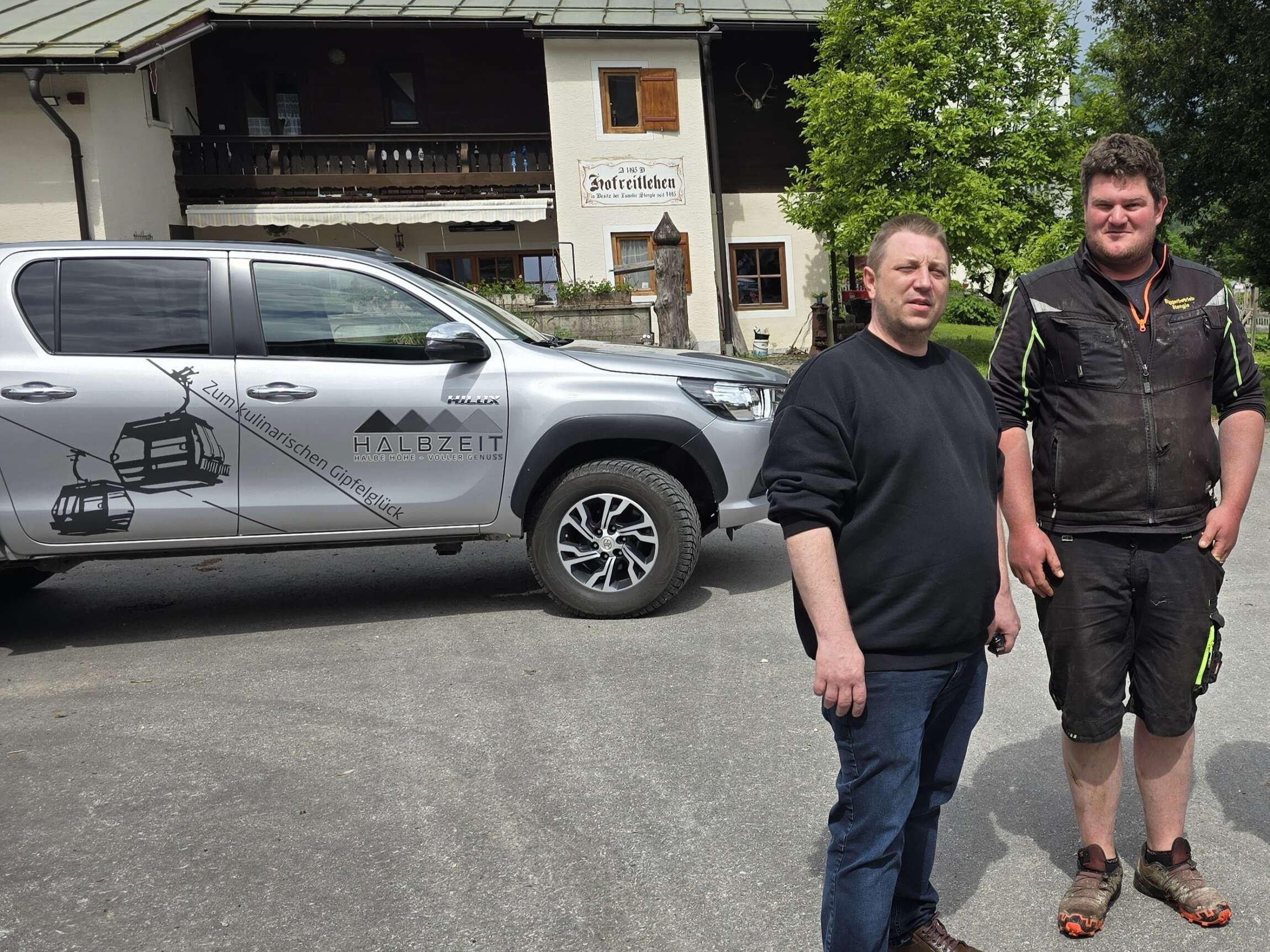
“I am committed to using local suppliers and transparent food supply chains. The quality of the produce we source from the region is unbeatable. We therefore value our partnership with farmer Johannes Stengle, whose Galloway cattle graze in the immediate vicinity of the Jennerbahn in Schönau am Königssee.”
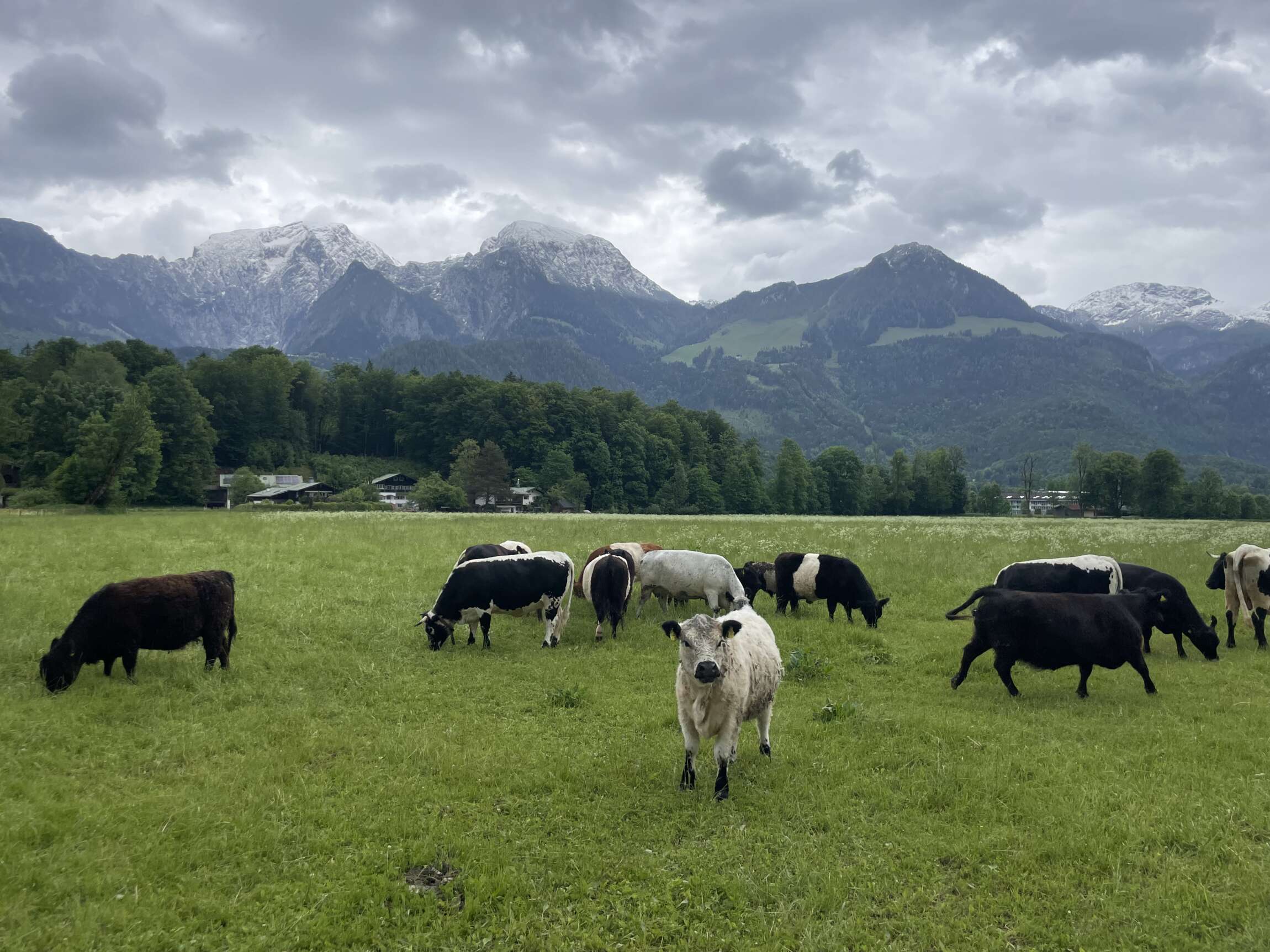
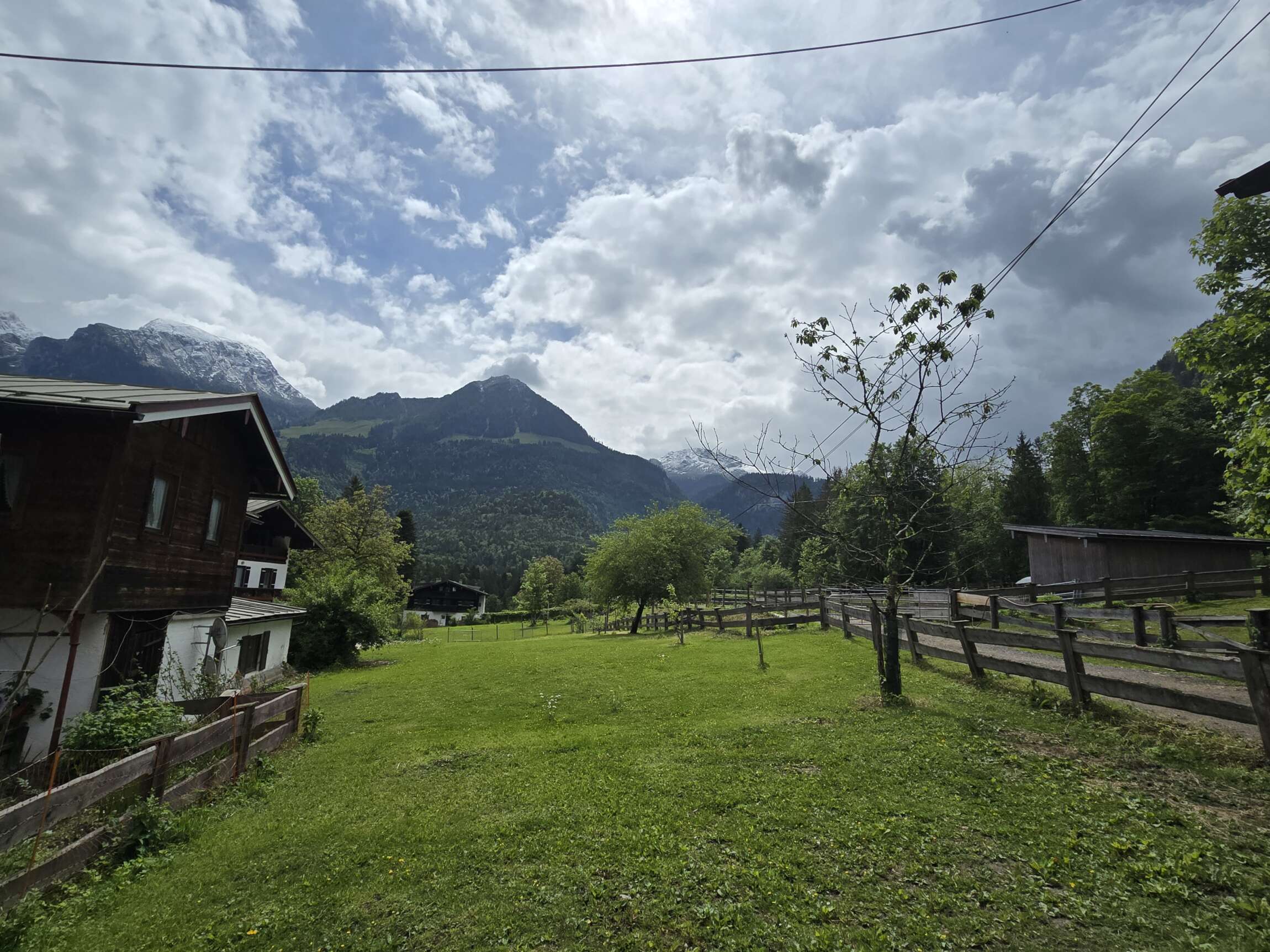
Johannes Stengle is only 31 years old. As a qualified butcher, he is carrying on the family tradition, as his father was also a qualified butcher and chef. Since 2014, Johannes has been rearing hardy Galloway cattle – known for their particularly tasty meat – on his farm, ‘Hofreitlehen’. With their thick, curly coats, they are highly resistant to the cold and live outdoors all year round on Johannes’s farm. In summer, they graze on the pastures in Oberschönau and Maria Gern, whilst in winter they have access to spacious free-range stables with shelters.
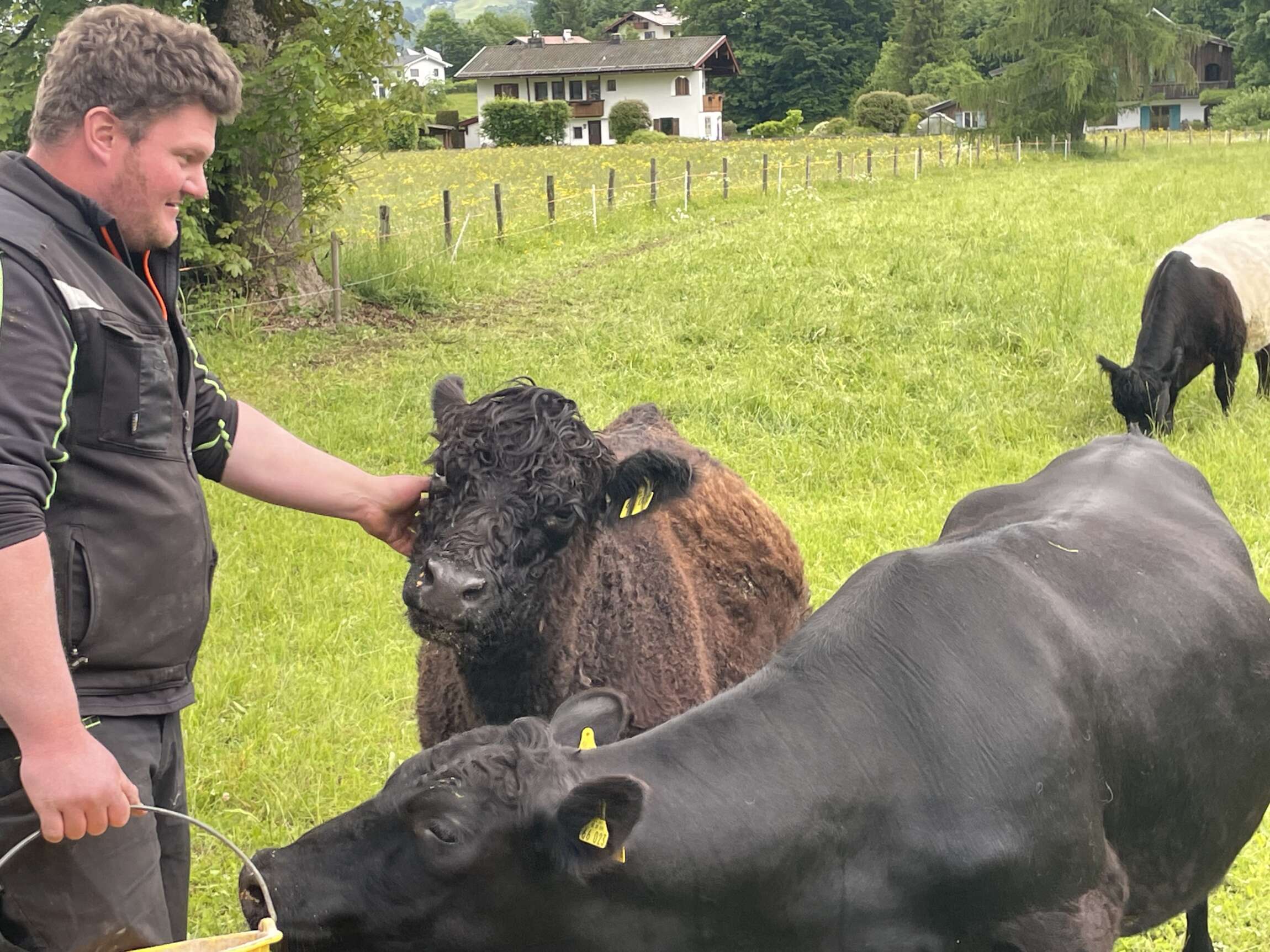
The secret to the quality also lies in the feed: Johannes feeds his cattle exclusively on hay and dry silage. “The meat is very flavourful, darker in colour and better marbled than conventional beef. It’s excellent quality,” enthuses Josef Meneder.
Today, a three-year-old bull is being slaughtered. The animal is transported in a trailer the short distance to the certified organic abattoir in Berchtesgaden. Cattle, pigs, goats and sheep from the region are slaughtered here one or two days a week.
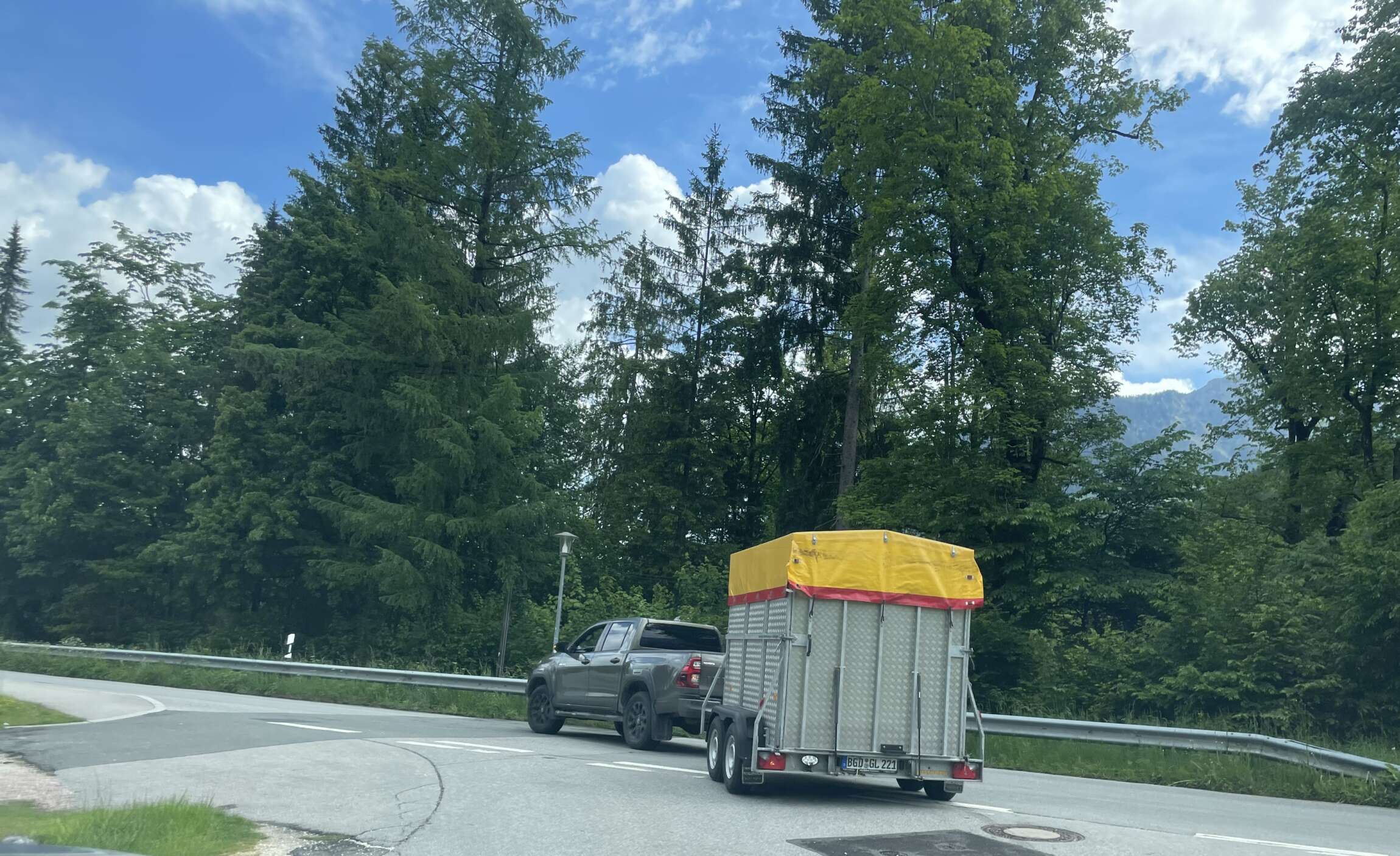
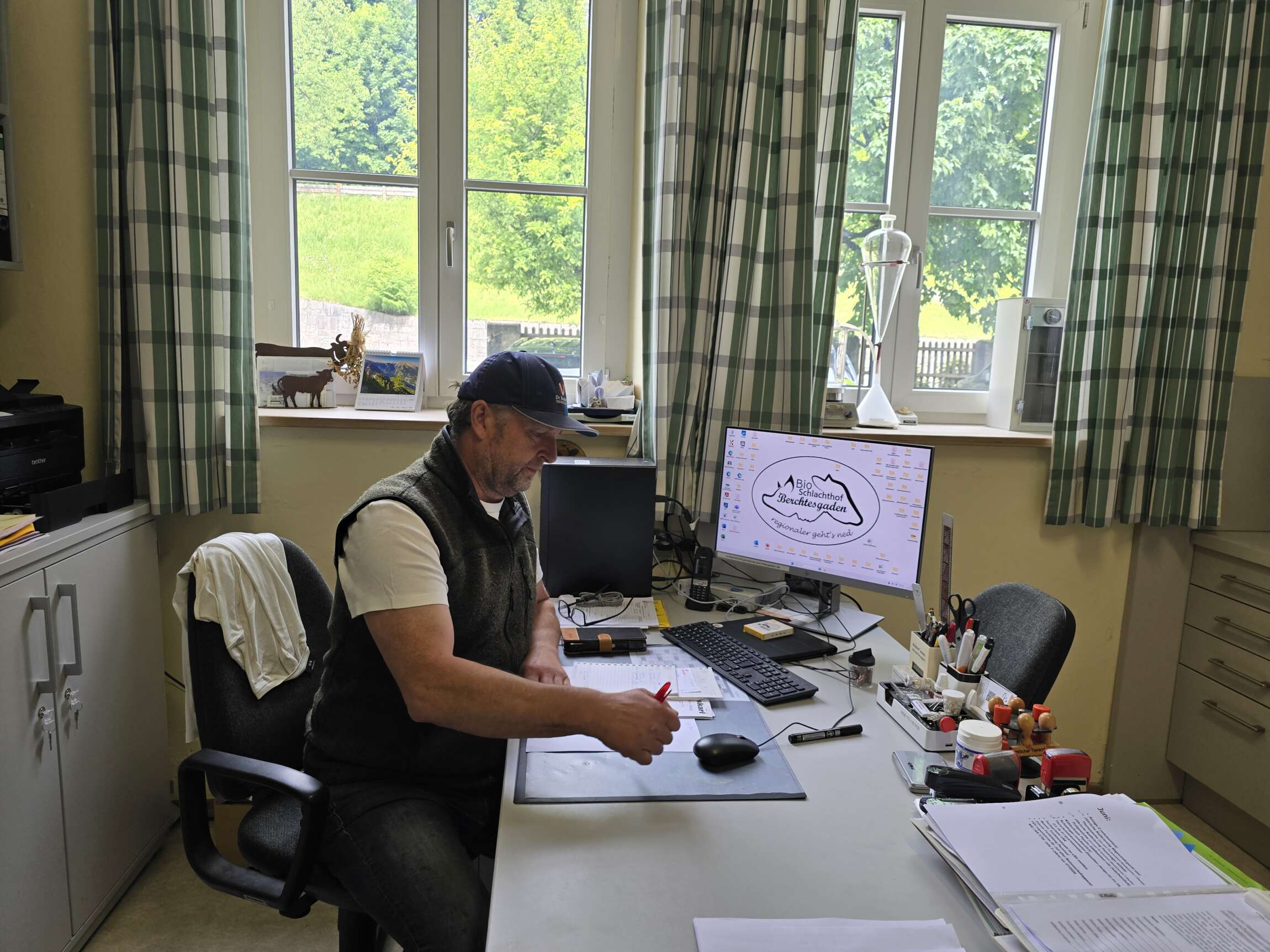
The animal is examined and cleared for slaughter by the official vet, Dr Horst Brunner, whilst still in the trailer. Dr Brunner, who runs his own veterinary practice and looks after the abattoir as a sort of sideline, explains his motivation: “I do this as a service to the region; my aim is to ensure that every animal is treated with respect. For the local butchers, livestock farmers and, above all, consumers, the abattoir offers incredible added value. Transport distances are kept to a minimum, and we work here at a leisurely pace because we have no quota targets. That makes all the difference for both animals and people.”
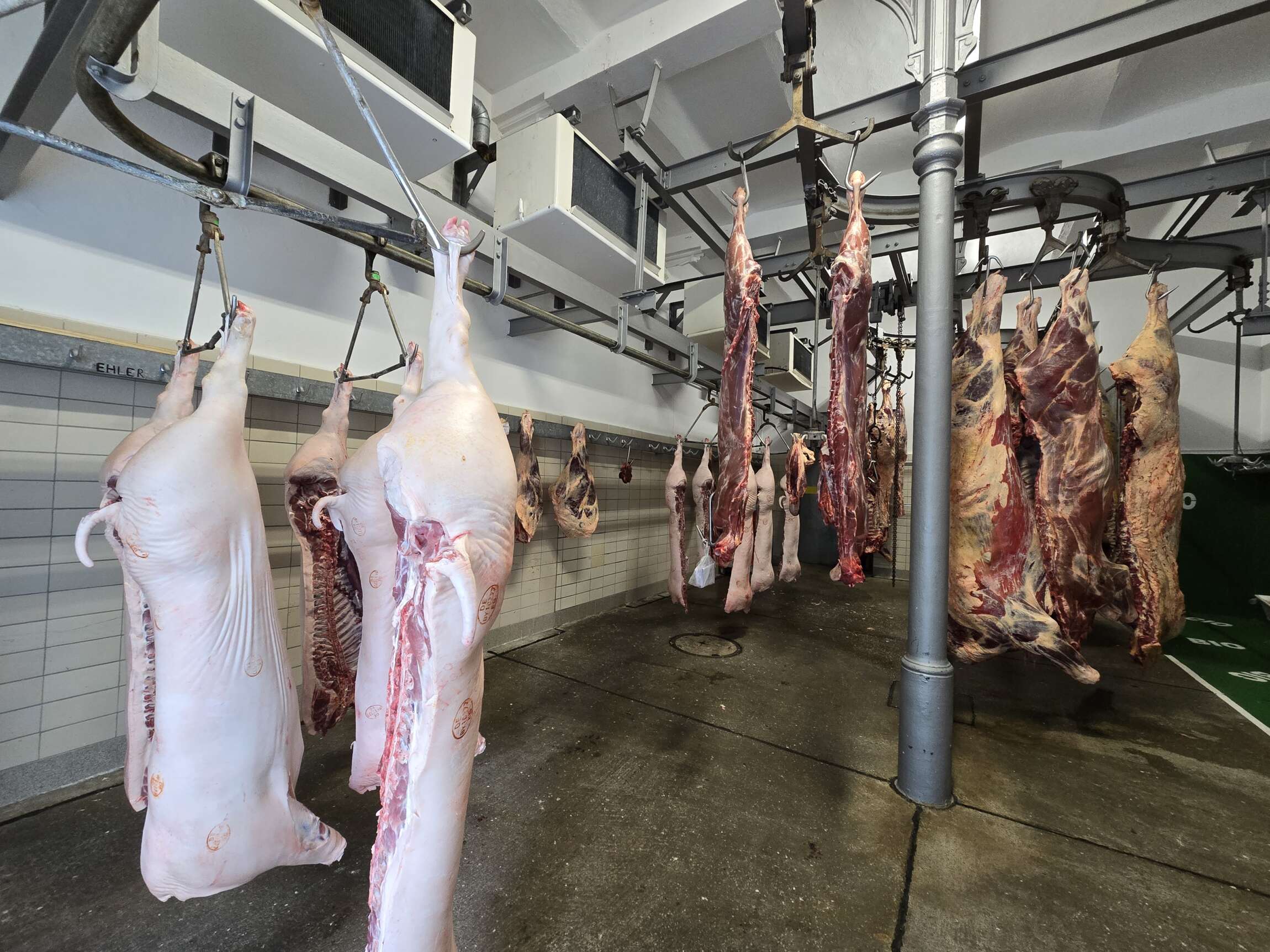
The meat is then inspected once more by the veterinary officer and approved with the official stamp. It is then placed in cold storage to mature for three weeks before being delivered, cut into ready-to-cook portions, to Josef at the Jenneralm at an altitude of 1,800 metres.
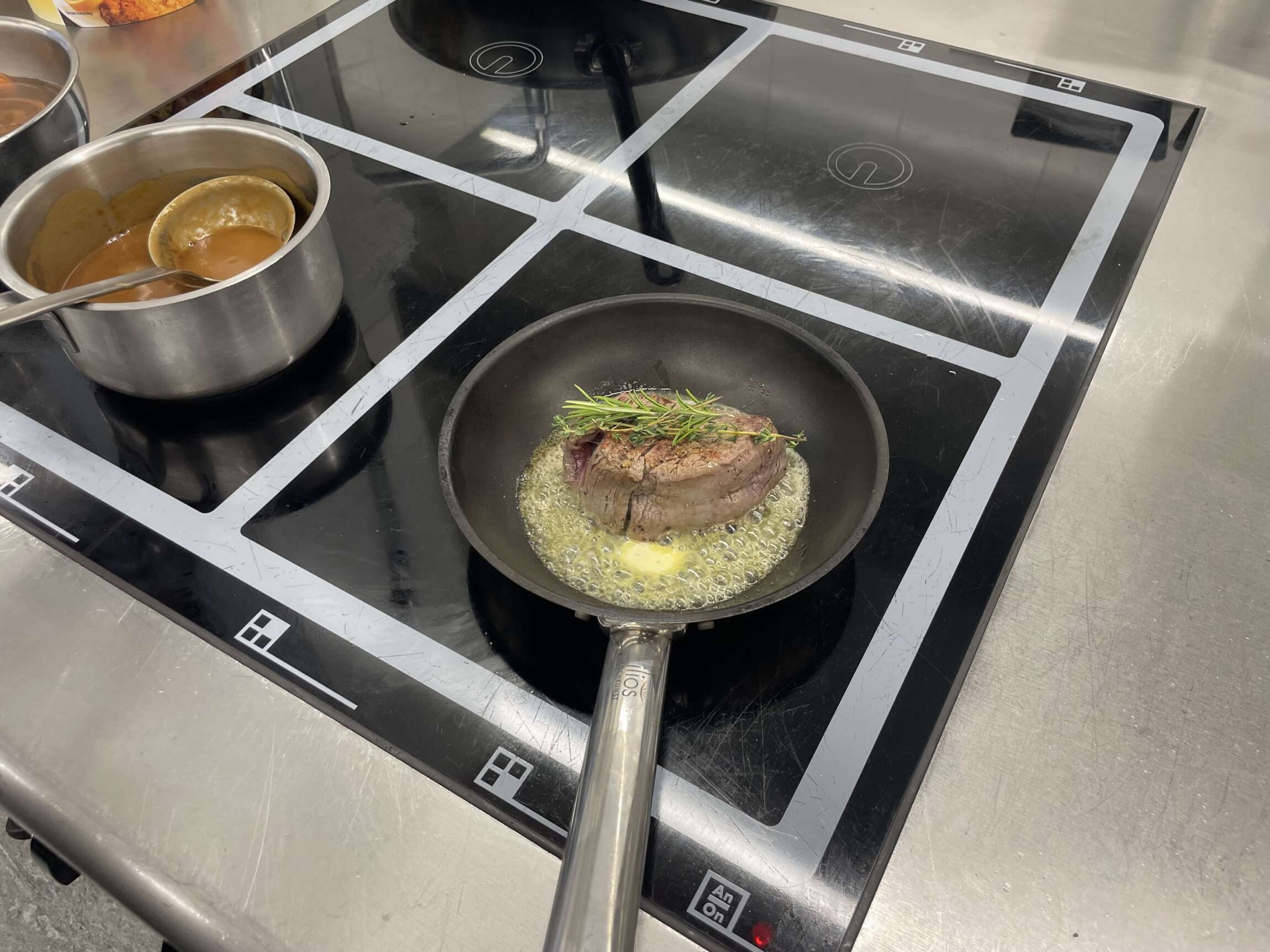
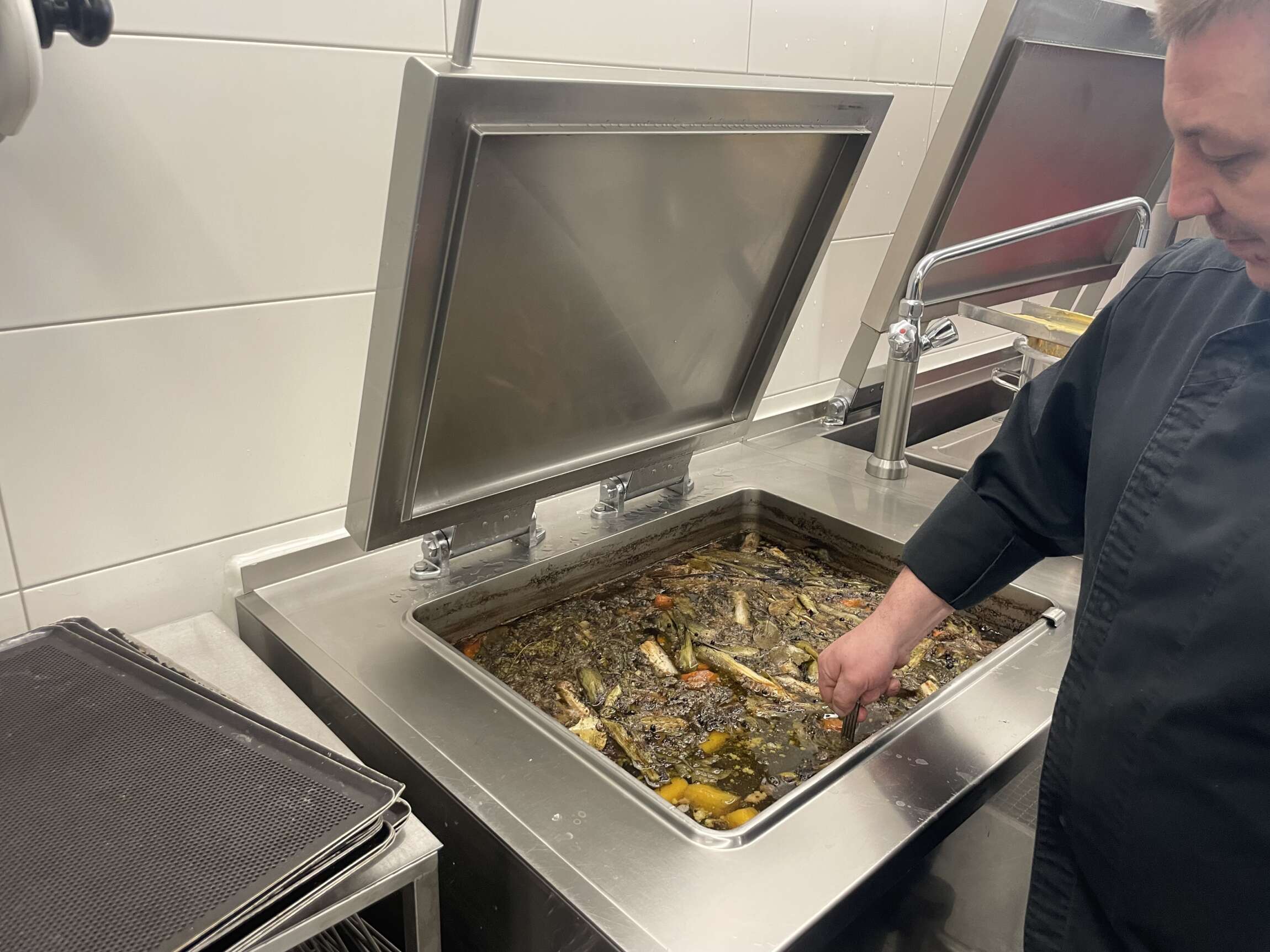
Josef is looking forward to turning the high-quality beef into delicious dishes. “We want to offer our guests the very best quality, whilst at the same time supporting local farmers by sourcing regionally,” he says, explaining his decision to partner with Johannes, from whom he always buys the whole animal. Josef skilfully prepares every part, from the bones for his homemade beef stock to braised beef roast or pan-seared fillet steak.
“By sourcing our produce locally, we ensure short transport distances and, as a result, maximum freshness. We support the local economy and help to preserve traditional farming practices in our region. And we know exactly where our meat comes from and how the animals were reared – that’s important to us.”
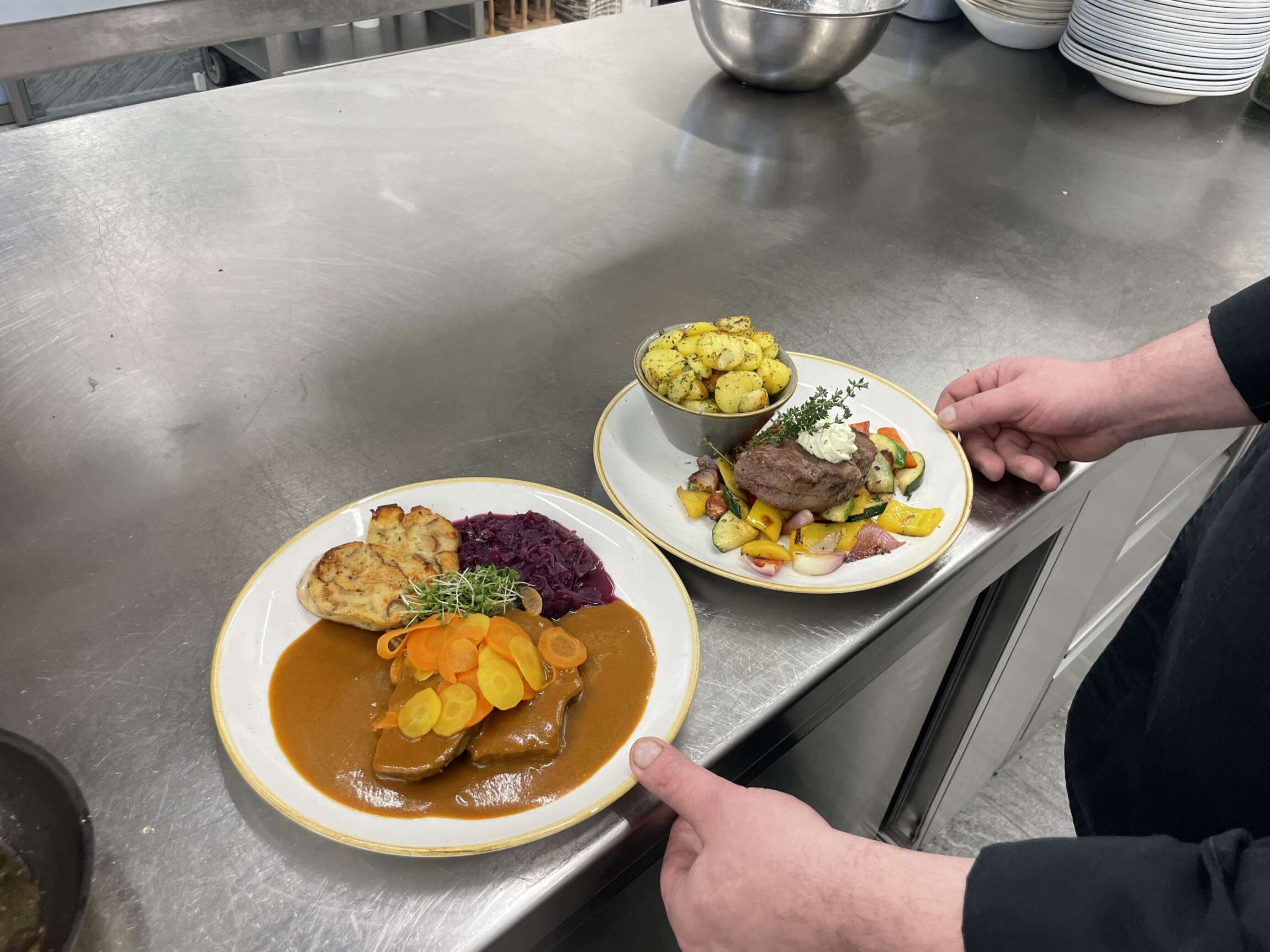
When you stop off at the Jenneralm, you’ll not only enjoy excellent food, but you’ll also be supporting the philosophy we put into practice every day: respect for the animal, from the pasture right through to the finished dish on your plate.